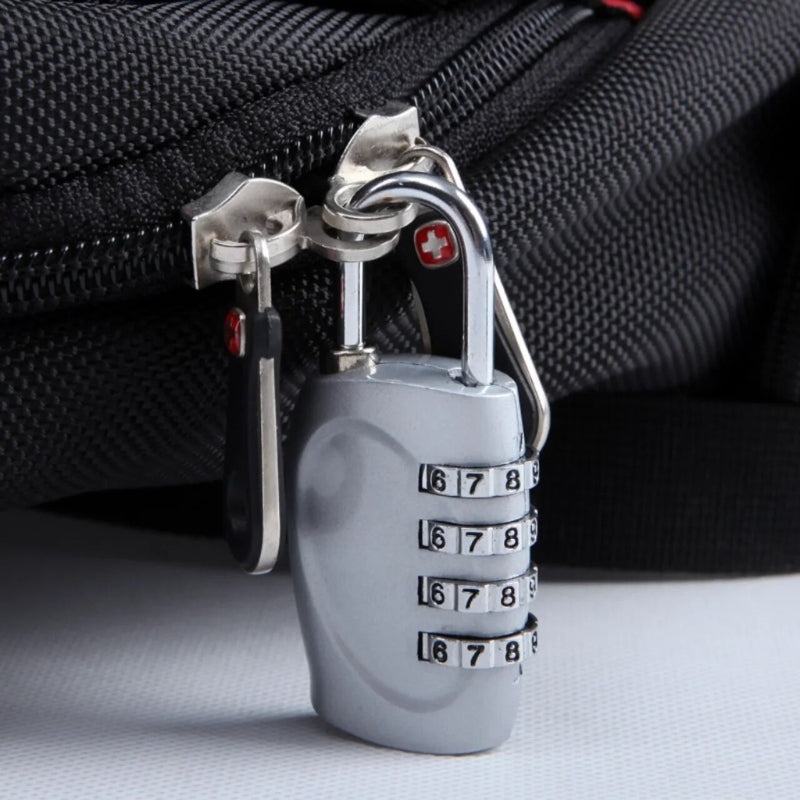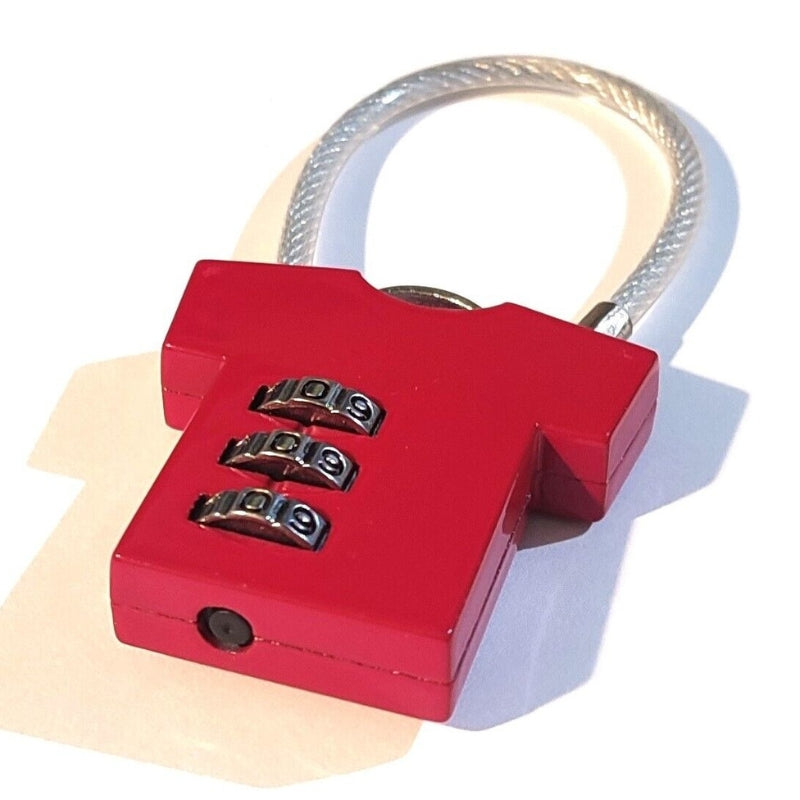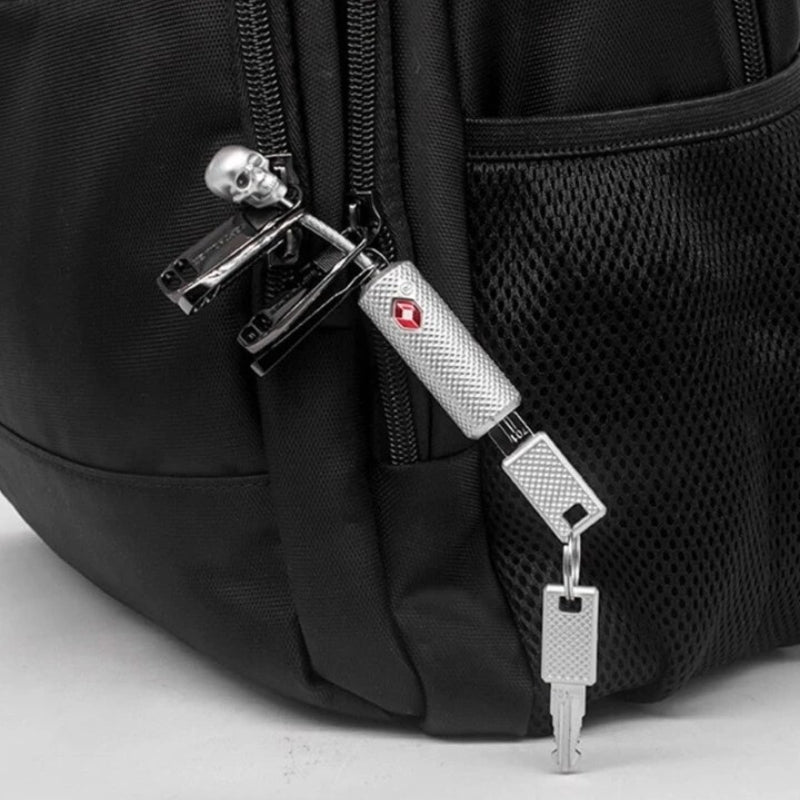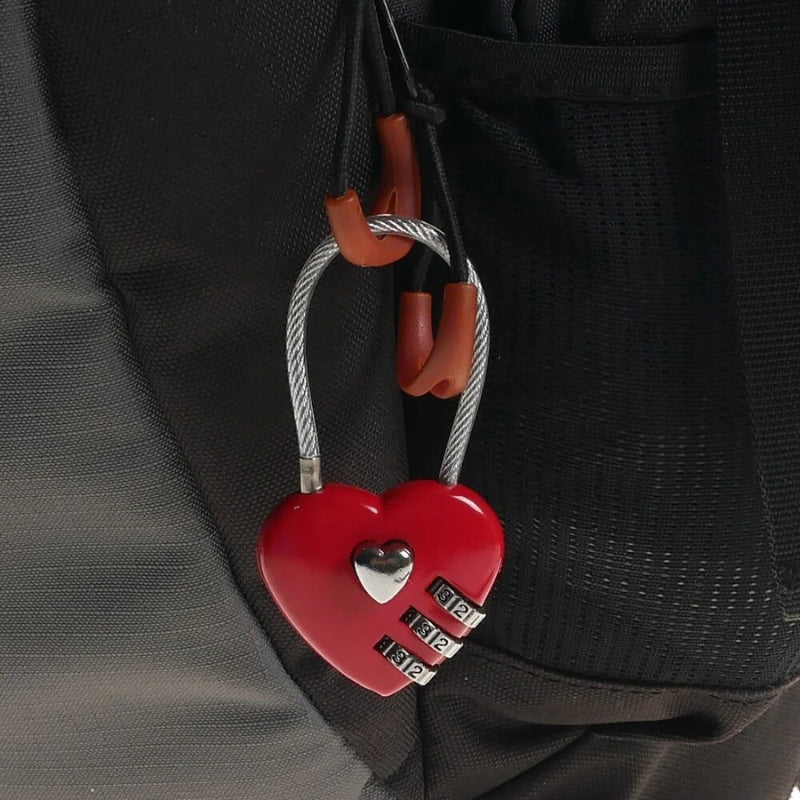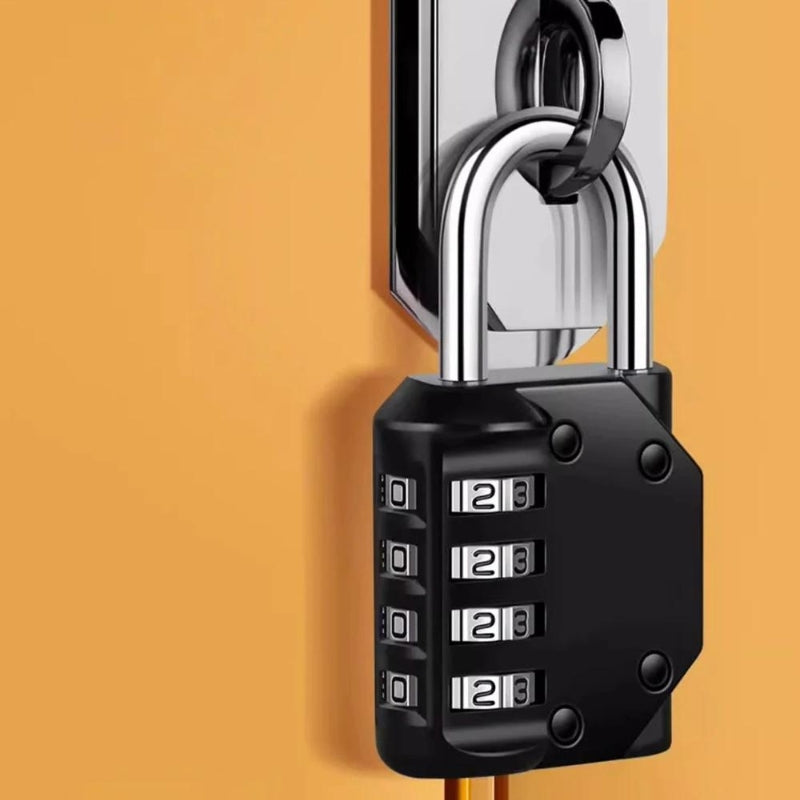

The short answer: yes, locking your checked suitcase is recommended — it's never mandatory, but it's the cheapest and most effective precaution against opportunistic openings. With one exception: for flights to or through the United States, only a TSA-approved lock prevents your lock from being cut during an inspection. This guide covers the full scope of the issue: what a lock truly protects, what it doesn't, the American case, and the alternatives that complement it — strap, cover, smart habits.
Why Lock Your Suitcase?
Between check-in and the baggage carousel, your luggage passes through many hands and is out of your sight for hours. The primary role of a lock is deterrence: faced with dozens of suitcases on a trolley, an opportunistic thief will always choose the one that opens effortlessly. The second role is more practical but equally useful: a lock keeps the zipper sliders together, preventing a zip from working its way open during handling and arriving ajar — the classic baggage carousel mishap.
Add peace of mind: no one is rummaging through your belongings behind your back, whether in the hold, at the hotel, or in a bus compartment. To choose a suitable model — combination, TSA, or strap — our collection of luggage locks covers the essentials. Here are the three most popular choices among travellers.


What a Lock Doesn't Do
Let's be honest: no lock makes a soft suitcase inviolable. A ballpoint pen is enough to force a standard zipper, and videos show how to pick small combination locks. In 2014, TSA master keys even leaked in photos in the American press, before being reproduced in 3D printing. A lock is not a safe: it's an anti-opportunist filter and an integrity witness — if it's missing upon arrival, you know to check the contents immediately.
The real security rule, repeated by all authorities: valuable items travel in the cabin, never in the hold. Money, jewellery, electronics, documents — most airlines disclaim responsibility for these items in checked luggage. The lock protects the rest: clothes, shoes, souvenirs. In this video, here are the gestures that make a difference from the check-in counter to arrival.
The TSA Lock: Essential for Flights to the United States
This is the particular case to know before closing your suitcase. In the United States (and for any transit there), the Transportation Security Administration has the right to open any checked luggage, out of your presence. A standard lock will be cut without compensation. The solution: the TSA-approved lock, recognisable by its red diamond. Agents open it with a universal pass provided by the Travel Sentry and Safe Skies programs, inspect, then relock — leaving an inspection notice inside, as detailed on the TSA's official baggage screening page.
Outside the United States, no regulation requires the TSA standard: a standard combination lock suffices in the vast majority of airports. But with the price difference being minimal, it's best to choose the approved version directly: you're covered everywhere, including for a future American trip. When preparing your luggage, also keep in mind what is prohibited in cabin luggage — an item refused at control ends up in the hold... or in the bin.
Alternatives to Complement the Lock
The Combination Strap: Security and Visibility
The security strap completely encircles the suitcase and locks with a three-digit code. It offers three advantages: it keeps the suitcase closed even if a zipper fails or the shell opens slightly under impact, it seriously complicates discreet opening, and its colour allows you to spot your luggage at a glance on the carousel — no more identical black suitcases to lift one by one. It's actually the most chosen security accessory by our customers, ahead of the lock alone.

-30%18,83 £ 26,90 £
Pay in 4× 4,71 £ interest-free with Shop Pay
The Protective Cover: Deterrence and Anti-Scratch
Less known, the cover completely envelops the suitcase: to reach the zippers, it must first be removed — a long and conspicuous gesture that no hurried thief attempts in the middle of an airport. It plays the same role as the plastic film offered in some terminals, in a reusable form and without queuing, and additionally protects the shell from scratches and rain. Our collection of suitcase covers covers sizes from cabin to XXL; the cover pairs perfectly with a TSA lock on the zips.

-30%21,63 £ 30,90 £
Pay in 4× 5,41 £ interest-free with Shop Pay
Suitcases with Integrated Locks
Many recent hard-shell suitcases come with a built-in TSA lock in the shell: nothing to buy, nothing to lose, the red diamond is already there. If yours is equipped, there's no need to add a lock to the zips — instead, focus your budget on a strap or cover. On a soft suitcase or travel bag, however, the lock remains the only locking option.
Cabin or Hold: Where Does a Lock Really Help?
Paradoxically, it's sometimes in the cabin that a small lock is most useful. In the hold, it filters opportunistic openings; but in the metro, stations, markets, and hostels, a lock on the backpack zips deters wandering hands daily. A lightweight combination model suffices — no need for the TSA standard outside the plane. Just ensure your luggage meets the size requirements before boarding: our guide to cabin luggage dimensions by airline clarifies, as a bag refused at the gate ends up in the hold at the last moment — often without a lock or preparation.
Smart Habits for Peaceful Luggage
The lock is one part of a whole. Seasoned travellers apply these simple rules, which cost nothing and prevent most unpleasant surprises:
- Valuables in the cabin — money, electronics, jewellery, medication, and documents never go in the hold.
- Photograph the contents of the open suitcase before closing it: a valuable proof in case of a claim.
- Distribute: if travelling in pairs, mix your belongings in both suitcases — a lost suitcase doesn't leave anyone without everything.
- Label with name and phone number (never the full address visible) and slip a copy of the contact INSIDE.
- Choose a memorable code but never 000 or your birth year.
- A cable tie or numbered seal as a complement: it immediately reveals any opening.

The result of these precautions is not only felt upon arrival: it is felt during the flight. Knowing your suitcase is locked, photographed, and identifiable allows you to board with a free mind — and sleep better in flight, instead of worrying about your belongings at every stopover. A security measure that weighs a few dozen grams in the luggage and nothing at all in the mind.
Frequently Asked Questions
Why put a lock on your suitcase? For three reasons: to deter opportunistic openings during handling, to prevent zippers from opening on their own in the hold, and to keep your belongings out of sight in transport and accommodations. It's the cheapest travel precaution.
Can I put a lock on my checked suitcase? Yes, it's allowed everywhere. For flights to or through the United States, choose a TSA-approved model (red diamond): agents can open and relock it with their pass, instead of cutting it.
Is it mandatory to have a TSA lock on a suitcase? No. No country requires you to lock your suitcase, and the TSA standard is not required anywhere. It's simply the only one that survives an American inspection: without it, a locked bag checked in the USA will have its lock destroyed.
How to secure your suitcase in the hold? Combine: TSA lock on the zips, combination strap around the shell, protective cover, valuables in the cabin, and a photo of the contents before closing. None of these protections are infallible alone; together, they make thieves move on to the next bag.